

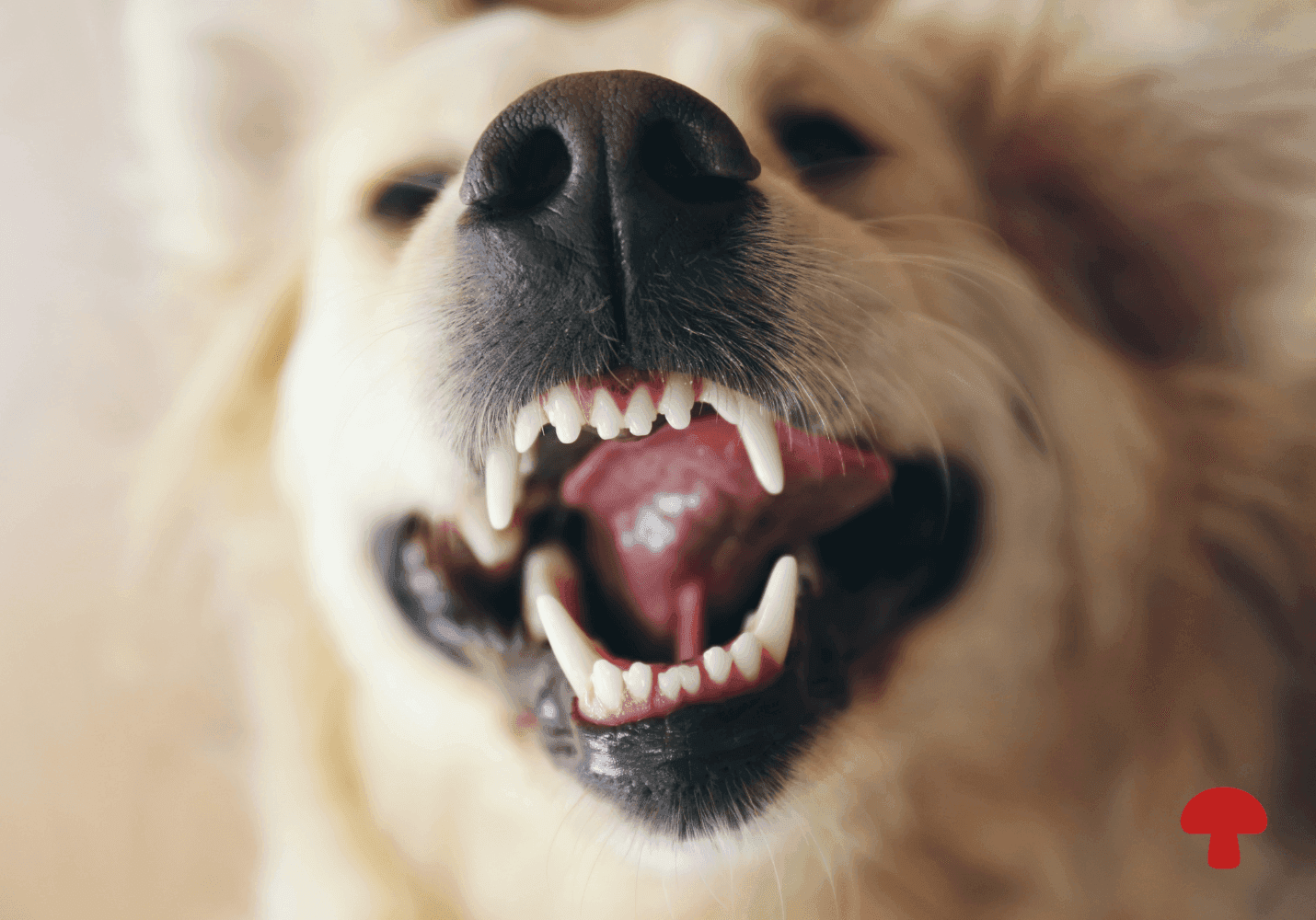
Mushroom research for oral health includes laboratory models, studies in other animals and human preparations. That evidence does not establish that feeding a mushroom powder treats gum disease in dogs. A randomized canine dental-care study found daily toothbrushing more effective for plaque control than the dental chew or diet tested. Ingredient research should sit alongside veterinary dental care, not replace it.
By age three, most dogs already show signs of gum disease. The American Veterinary Medical Association puts the figure near 80%, and a 2018 study of 445 dogs across 24 facilities found periodontal disease in 86.3% of them. Yet only a small majority of dog owners brush their pet’s teeth daily, according to industry research.
Toothbrushing matters, as do professional cleanings and dental chews. But oral health is also an inside-out story. Nutrition, immunity, and gut function all play a role. This is where functional mushrooms like Reishi and Shiitake have started to earn attention from pet formulators and veterinarians.
Understanding Gum Disease in Dogs
Gum disease in dogs follows a familiar path. Plaque forms on the teeth. It hardens into tartar. The gums become inflamed, which is called gingivitis. Left alone, the inflammation deepens into periodontitis, which can destroy the tissue and bone that hold teeth in place.
Your dog’s mouth carries more than 350 bacterial species, and around 80% of them are unique to dogs. The main pathogen behind gum disease in dogs is called Porphyromonas gulae, similar to the bacterium that drives gum disease in people. Small breeds carry the highest risk. A UK study of more than 22,000 dogs found toy poodles, King Charles spaniels, and greyhounds at two to four times the odds compared with crossbreeds.
Gum disease does not stop at the mouth. Oral bacteria and inflammatory molecules can reach the bloodstream and affect the heart, liver, and kidneys.
The Oral-Gut-Immune Connection
A growing body of research describes the oral-gut axis. Swallowed oral bacteria can colonize the gut, disrupt the intestinal barrier, and trigger systemic inflammation. The reverse also happens. An unbalanced gut can worsen inflammation in the gums.
This is why supporting immunity and gut health is part of a complete oral care picture. Functional mushrooms contribute in all three areas at once: immune balance, gut microbiome support, and anti-inflammatory activity.

Shiitake: Studied for Anti-Plaque and Anti-Gingivitis Activity
Shiitake has decades of research on oral bacteria. One study showed that Shiitake extract blocks the formation of insoluble glucan by Streptococcus mutans, the main bacteria behind dental plaque. A UCL research group later found that Shiitake’s smaller, lighter molecules help to remove oral pathogen biofilms. Additionally, a companion study compared Shiitake extract directly to chlorhexidine, the active ingredient in the leading gingivitis mouthwash. The Shiitake extract reduced the numbers of several gingivitis-associated bacteria in an artificial mouth model.
Active compounds found in Shiitake - adenine, oxalic acid, succinic acid, and quinic acid - all showed anti-biofilm activity against oral pathogens linked to gingivitis.
Human clinical data is also emerging. Twice-daily Shiitake rinses reduced the metabolic activity of dental plaque in a short-term crossover trial. More recently, a small randomized clinical trial in 45 patients with moderate to severe gingivitis showed that a Shiitake mushroom mouthwash alongside professional cleaning saw reductions in both plaque and gingival index scores.
At this point, direct dog studies on Shiitake and dental outcomes are still limited. The current support rests on consistent mechanistic findings across multiple research groups, growing human clinical data, and the species-adjacent biology of canine oral pathogens.
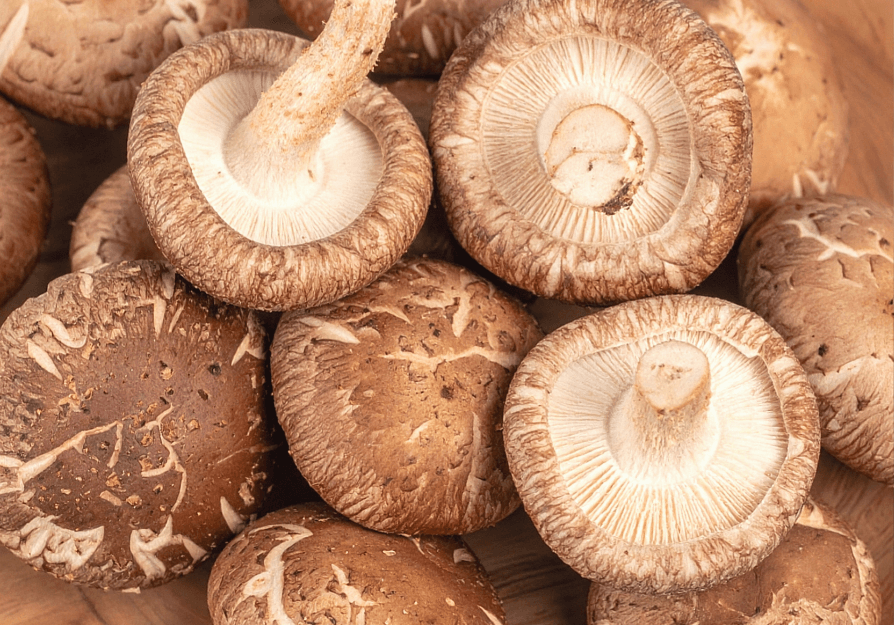
Reishi: Support for Gum Tissue
Reishi targets the inflammation side of gum disease. A Reishi extract was given to rats with experimental periodontitis, and the treatment significantly lowered a key inflammatory marker and reduced oxidative stress in the gum tissue.
The mechanism connects to broader research. Reishi polysaccharides support inflammation directly and Reishi triterpenes add antioxidant activity. In dogs, it has been shown that a moderate dose of Reishi improved immune cell activity and vaccine antibody response.
Inflammation causes most of the damage in periodontal disease. Supporting the body’s ability to manage that response is one of Reishi’s strongest contributions.
Other Supportive Mushrooms
Turkey Tail supports gut microbiome balance, which feeds back into the oral-gut axis through systemic inflammatory tone. Maitake contributes beta-glucans with documented anti-inflammatory activity. These are complementary parts of a full-spectrum approach rather than dental-specific actives.
What This Means in Practice
Functional mushrooms are nutritional support. They do not replace brushing, dental chews, or professional cleanings. They work alongside those tools by supporting the systems that influence oral health: immunity, inflammation, and the gut.
Studies of immune or gut markers do not establish a dental treatment amount or a time to improvement. Review the actual preparation and endpoint before applying a study to a formula.
Pet brands can discuss Myzel's Canadian-grown, organic Reishi, Shiitake and other full-spectrum powder ingredients through our pet care and nutrition application. A sample trial can help your team assess the ingredient in a chew, food or other proposed format. Check the ingredient specification, proposed use and evidence with the responsible formulation team; do not equate an extract used in a mouthwash study with a powder fed in a chew.
Request relevant analytical and manufacturing documentation through the quality process. The beta-glucan guide explains method and matrix questions. Discuss a sample or ingredient specification with the intended format and market identified.
Frequently Asked Questions
Can functional mushrooms replace brushing for dogs?
No. Mushroom ingredients do not replace mechanical plaque control, veterinary examination or treatment. Discuss a dental-care plan with the dog's veterinarian.
Are functional mushrooms safe for dogs?
That requires review of the specific species, preparation, amount and dog. A food safety certificate does not by itself establish a suitable feeding amount or account for medications and health conditions.
How long until I see dental results?
The research described here does not establish a reliable timeline for dental improvement from feeding a mushroom powder. Changes in immune or microbiome markers are different outcomes from plaque, gingivitis or periodontal disease.
Related products
Formulating for this application?
- Organic Mushroom Ingredients for Pet Care & Nutrition
Full-spectrum organic mushroom powders for pet supplement and pet food formulators. Canadian bulk supplier, certified organic, COA available. Request a quote.
Continue your ingredient research
- Mushroom Powder vs. Extract for Dogs: A Formulator's Guide
Compare mushroom powders and extracts for dogs by composition, testing and formulation fit, with clear limits on what published research can establish.
- The Pet Mycobiome: How Functional Mushrooms Support Your Dog's Gut Health
Discover how functional mushrooms support dog gut health through the canine mycobiome. Learn which species feed beneficial bacteria and why fiber matters.
- Beta-Glucans 101: Understanding How Functional Mushrooms Support the Immune System
Understand mushroom beta-glucans, the limits of common assays, and the COA questions ingredient buyers should ask before comparing specifications.
What Myzel offers
Myzel Organics grows and produces organic, full-spectrum mushroom ingredients in Canada for brands and manufacturers. Explore species-specific compositions and discuss samples, specifications, testing documentation and bulk supply with our team.
Our Full-Spectrum Newsletter
Stay ahead of the competition with the latest mushroom science, education, and innovation at Myzel.