

Myzel Sustainability
Our Commitment to the Planet
Progress Timeline
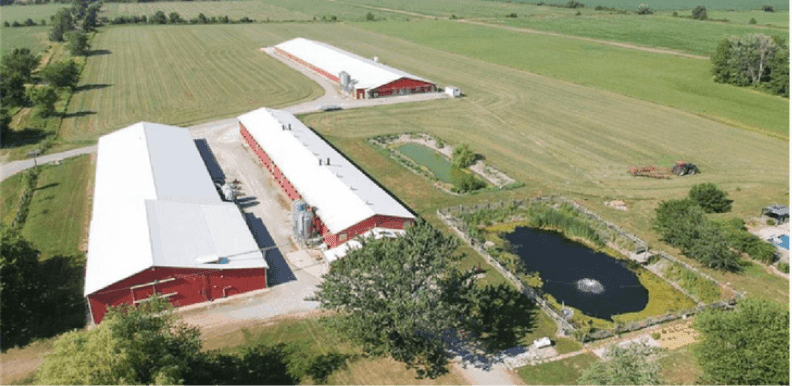
Retrofitted a poultry barn for mushroom growth
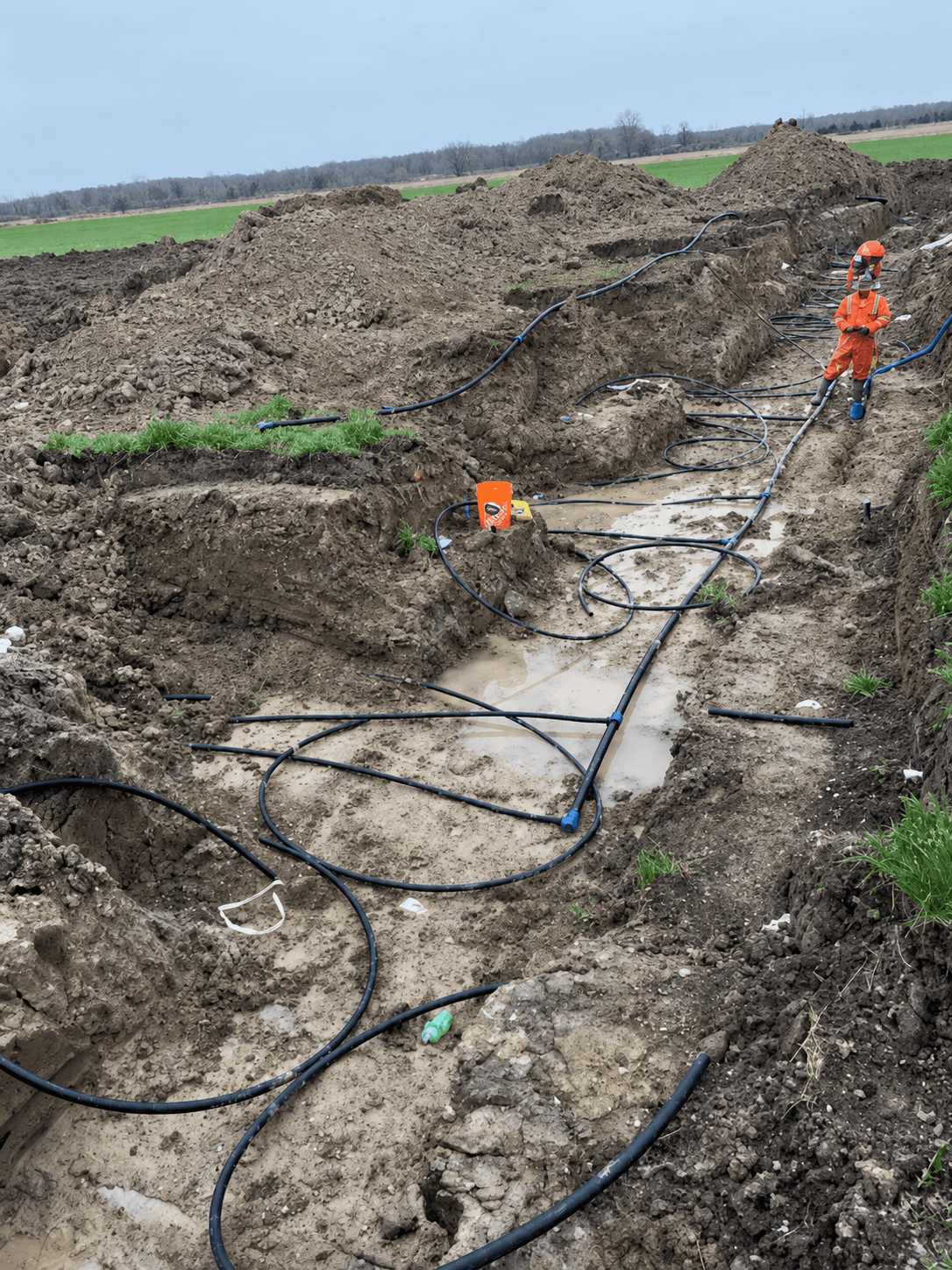
Installed the geothermal field
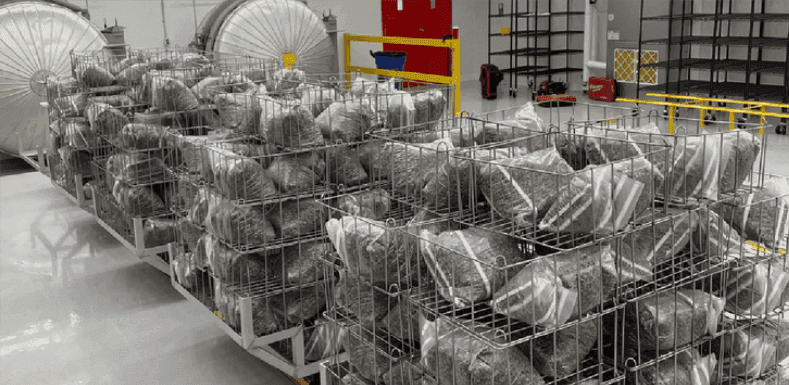
Product launch and energy audits commence
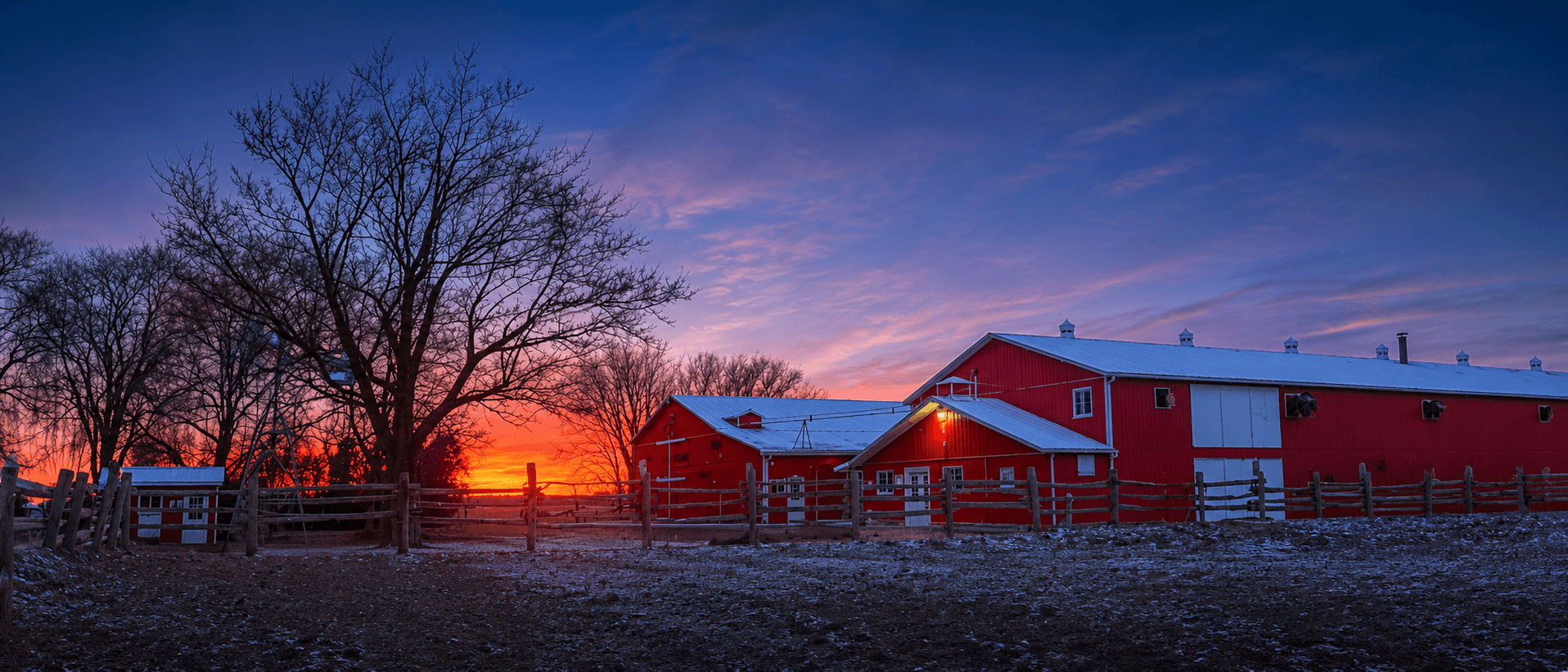
Install solar panels and offset energy consumption
Sustainability
Measuring Our Impact
Every action counts. Here's how we're making a difference.
Carbon Footprint
One of our biggest sustainability goals is to keep our carbon footprint small. We work with a Life Cycle Assessment consultant to assess and benchmark our annual environmental impact.
Performance Measurement
Starting in 2023, we’re establishing a baseline to set our sustainability performance goals. From there, we’ll track progress and quantify accomplishments on an annual basis.
Emissions Reduction
Our total estimated impact of production amounts to 0,552 kg CO2-eq per 1 kg of mushroom powder – making Myzel a more environmentally conscious choice than other nutraceutical products grown Worldwide.
Renewable Energy
Our Niagara, Ontario facility draws from one of the cleanest grids in North America, with near 100% non-emitting electricity.


“By customizing our facility with a focus on environment, sustainability, efficiency, and automation, we can deliver ingredients that address food security at a very low cost.”
Markus Sadaka, Co-Founder
Our Energy Consumption
Myzel implemented a 60T ground source geothermal loop to provide all of the heating and cooling for our facility operations.
We built the facility based on sound building design practices, including the installation of extensive thermal barrier, radiant heat, and energy recovery ventilation. These design elements reduce our energy consumption to less than 20% of a typical building, while the geothermal loop provides a substantial portion of our energy requirements.
The recaptured rain water collected from our facility rooftops is collected in a wastewater pond, then purified and used for our cooking process.
In 2026, we plan to install a rooftop solar system to offset our electrical consumption.