

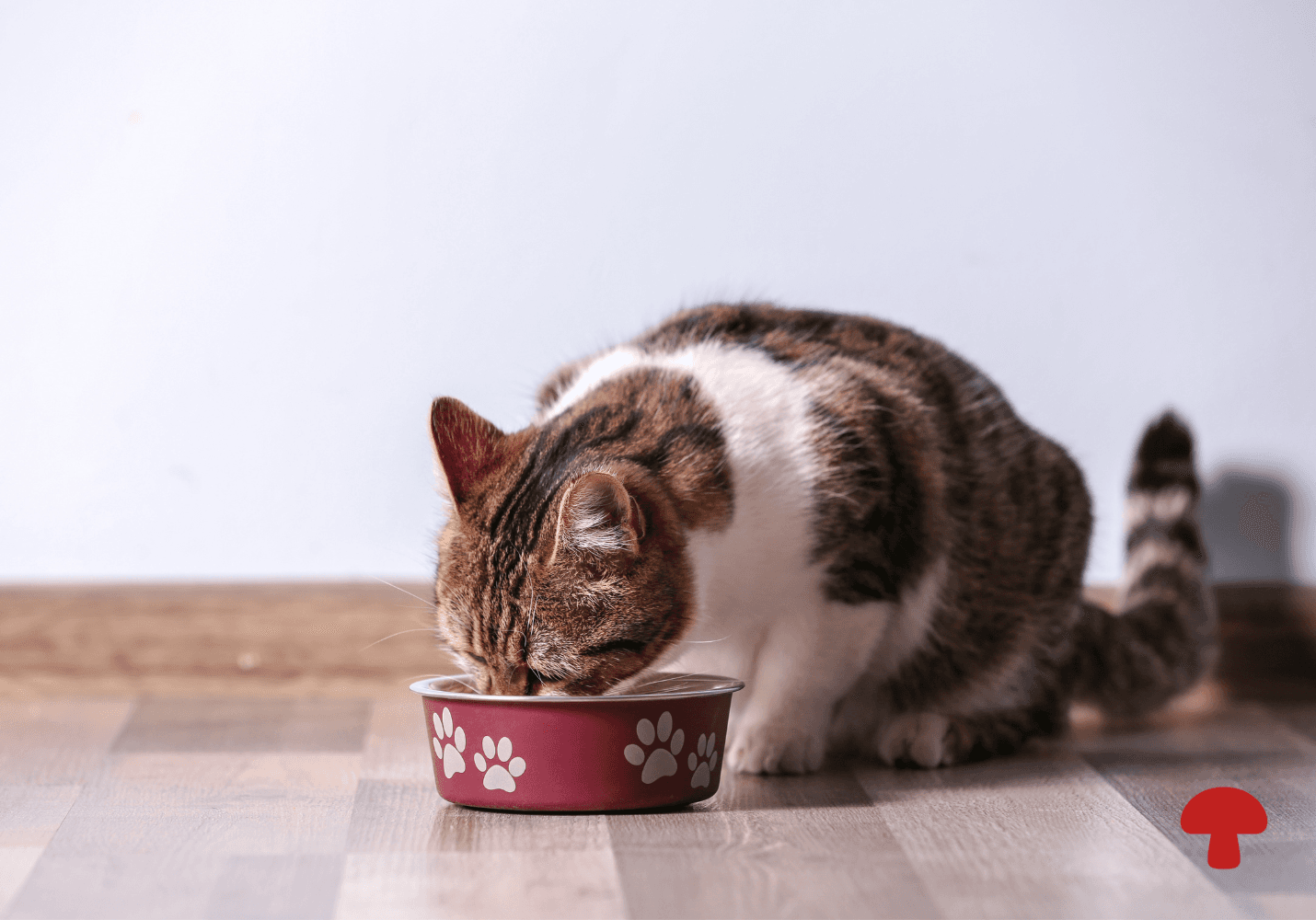
Pet food formulators are being asked to do more than meet nutritional adequacy. Buyers now want documented health outcomes on the label, with recognizable whole-food ingredients they can point to. Functional mushrooms have moved from a niche wellness idea into a mainstream formulator's tool because of that shift, and a small number of species are already recognized in the AAFCO Common Food Index. Four of those species sit at the center of what we do at Myzel Organics for pet food: Shiitake, Maitake, Oyster, and King Oyster.
What the AAFCO Common Food Index Actually Is
The AAFCO Common Food Index (CFI) launched in 2023 as a repository of common foods that may be appropriate for use in animal food. It is a recognition tool, not an ingredient definition. As AAFCO Executive Director Austin Therrell has clarified, "The CFI is not a substitute for the AAFCO process for new feed ingredient definitions."
Six mushroom species currently appear on the CFI: King Oyster, Maitake, Oyster, Shiitake, Champignon (white button), and Portobello. CFI recognition matters for formulators because it signals that the ingredient is commercially available and suitable for use in animal food, which simplifies conversations with regulatory reviewers and retail buyers.
Where Myzel Fits on the AAFCO Map
Myzel Organics cultivates thirteen functional mushroom species. Four of them appear on the AAFCO Common Food Index: Shiitake, Maitake, Oyster, and King Oyster. (To see all the functional mushrooms Myzel Organics cultivates, see the list of mushroom products.) The three species we focus on for pet food formulation are Shiitake, Maitake, and King Oyster. They combine regulatory recognition, well-studied functional compounds, and strong palatability.
Shiitake (Lentinula edodes)
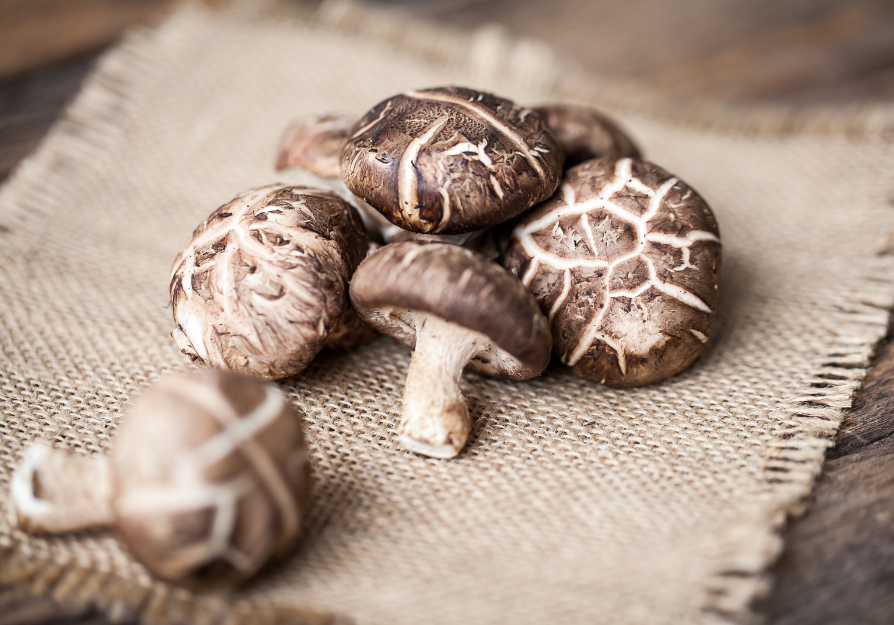
Shiitake carries lentinan, a beta-1,3/1,6-glucan widely studied for immune modulation in humans. Canine studies have shown consistent immune benefit from mushroom beta-glucans. Shiitake has decades of research on oral bacteria as well. In studies, the mushroom extract blocked the key bacteria behind dental plaque, while its smaller, lighter molecules helped to remove oral pathogen biofilms. Active compounds found in Shiitake all offered anti-biofilm activity against gingivitis. Direct canine studies are limited, and evidence currently rests across multiple research groups.
Maitake (Grifola frondosa)
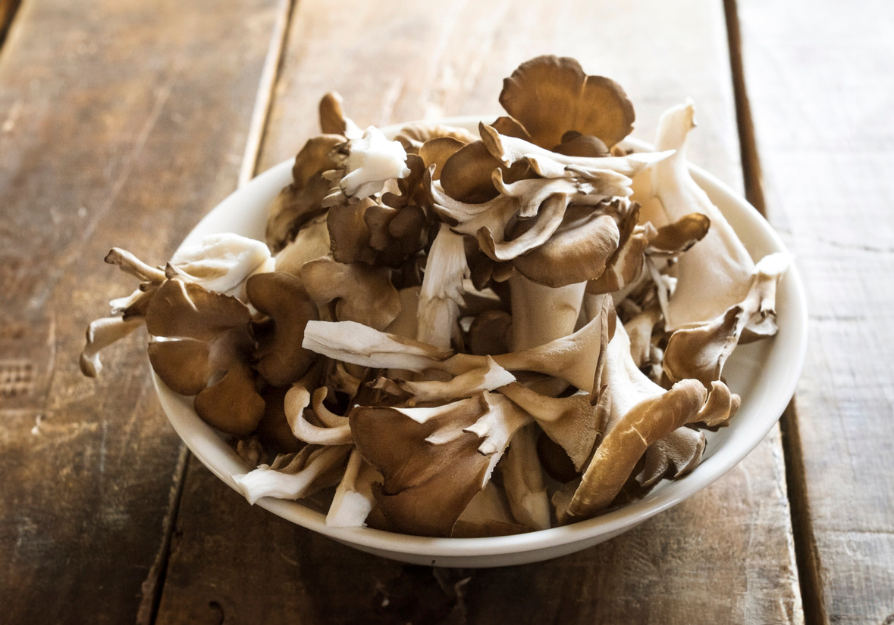
Maitake carries grifolan, its species-specific beta-glucan, along with other polysaccharides that have documented immune effects. Maitake's fibers act as a prebiotic in the canine and feline gut, feeding beneficial bacteria without being broken down by the animal's own digestion. Prebiotic beta-glucans have been shown to shift the gut microbiome toward a healthier balance in adult dogs.
Maitake has also been studied for its effects on blood sugar. Two bioactives appear to support healthier glucose levels by improving insulin sensitivity at the receptor level. A small human clinical study reported a hypoglycaemic effect in Type 2 diabetic patients, and follow-up animal research has shown reductions in fasting glucose and insulin resistance markers in diabetic rats. Newer work also links maitake's glucose-supporting activity to changes in the gut microbiota, connecting this benefit back to the same prebiotic pathway that supports canine and feline gut health.
Oyster (Pleurotus ostreatus)
Oyster mushroom carries pleuran, a beta-1,3/1,6-glucan that has also been studied for immune modulation and prebiotic activity in the gut. Pleuran and other similar polysaccharides feed beneficial gut bacteria and support short-chain fatty acid production, which contributes to a healthier gut lining in dogs and cats. Oyster mushroom also carries ergothioneine and a strong beta-glucan load, which layers well with the other three AAFCO-listed species in a full-spectrum blend.
King Oyster (Pleurotus eryngii)
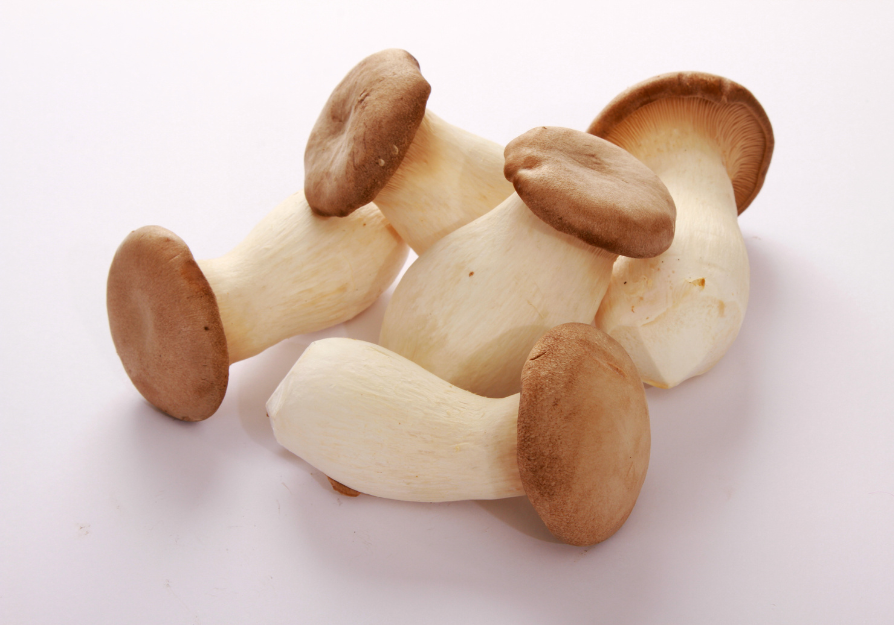
King Oyster is rich in pleuran and related polysaccharides. Whole king oyster mushroom in a high-fat diet model reduced obesity markers, improved lipid metabolism, and reversed gut microbiota dysbiosis. That finding is directly relevant to the pet care industry, where weight gain and metabolic issues are rising concerns in both dogs and cats. The mushroom has also been studied for mast cell and histamine activity, which may support pets dealing with seasonal allergy responses.
The Palatability Case for Formulators
All three species carry umami compounds that boost the perceived meatiness of a formula. Glutamate and guanylate work together with meat compounds, which can reduce the need for synthetic palatants and shorten the ingredient panel. Cats in particular respond to this umami profile.
Shiitake carries the highest documented mushroom umami content. Dried shiitake in particular contains high glutamate and guanylate content. Guanylate pairs with the inosinates in meat, making shiitake a strong palatability ingredient for dry, wet, and freeze-dried formats.
Maitake has an earthy, savory flavor that formulators use to round out protein-heavy diets, and it layers well with shiitake and king oyster in a full-spectrum blend.
Oyster offers a mild, savory flavor and soft texture that work in wet, freeze-dried, and topper formats, adding functional value without shifting the taste profile of the finished food.
King Oyster carries ergothioneine, a naturally occurring antioxidant, and its meaty texture and mild savory flavor make it a favored palatability ingredient in wet food and treats.
The Gut Health Connection
Gut health is now the top functional claim in pet food, with around 60% of pet owners wanting a digestive health benefit on the label. Shiitake, Maitake, Oyster, and King Oyster all deliver beta-glucans and other polysaccharides that act as prebiotic fiber for the canine and feline gut. Studies show that purified beta-glucans in adult dogs improved gut microbiome balance and immune cell ratios. While other recent studies noted these benefits reversed when supplementation stopped, which supports consistent daily inclusion in food rather than occasional dosing.
Why Full-Spectrum Fits Pet Food
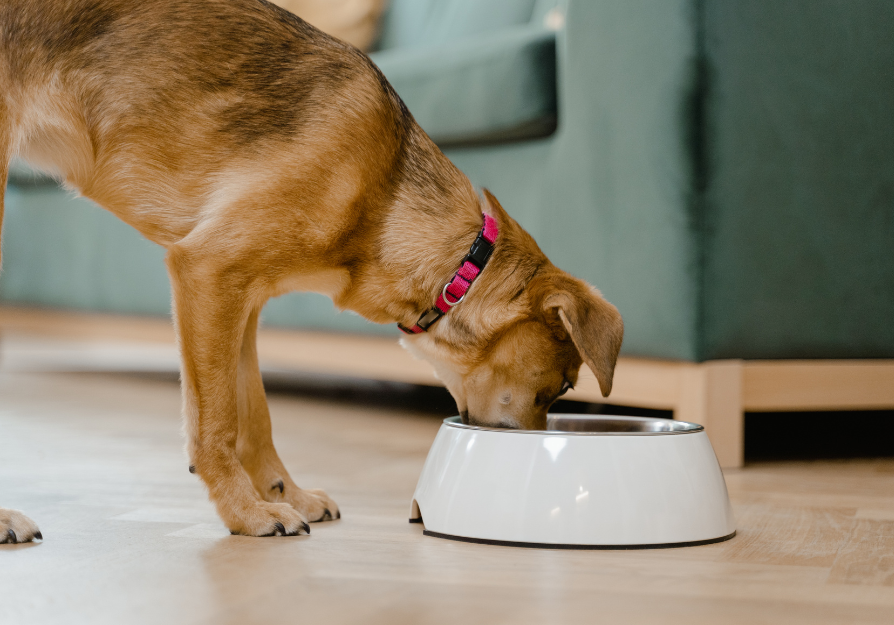
The functional mushroom industry offers many valid approaches. Concentrated extracts have their place, and both extracts and full-spectrum powders can deliver effective beta-glucan doses. But whole-food, full-spectrum mushroom powders match how pet food actually works. Daily dietary inclusion is the goal, and the whole-mushroom matrix delivers beta-glucans, chitin, secondary polysaccharides, ergothioneine, and natural umami in one ingredient. That matrix is what the pet's gut microbiome actually interacts with.
🧪 Formulator's Corner
Full-spectrum Shiitake, Maitake, Oyster, and King Oyster powders can be built into extruded kibble, wet food, freeze-dried diets, and treats at inclusion rates that hit a target beta-glucan dose based on the ingredient's Certificate of Analysis. All four species appear on the AAFCO Common Food Index and can be listed on the ingredient panel by their common names. They tolerate standard extrusion temperatures, blend cleanly with animal proteins, and layer well with each other to build a full palatability and functional profile.
Shiitake, Maitake, Oyster, and King Oyster are four of the six mushrooms recognized on the AAFCO Common Food Index, with each backed by peer-reviewed research. Together, they cover the three things pet food buyers ask about most: immune support, gut health, and clean-label palatability. For brands looking to build a real functional story, these four are a strong place to start.
Disclaimer: Any statements or claims about the possible health benefits conferred by any foods, natural health products, or supplements have not been evaluated by the Canadian Food Inspection Agency (CFIA), Health Canada, or the Food & Drug Administration (FDA) and are not intended to diagnose, treat, prevent, or cure any disease.
Related products
Formulating with functional mushrooms? Source full-spectrum, organic, bulk supply from Myzel.

Our Full-Spectrum Newsletter
Stay ahead of the competition with the latest mushroom science, education, and innovation at Myzel.