

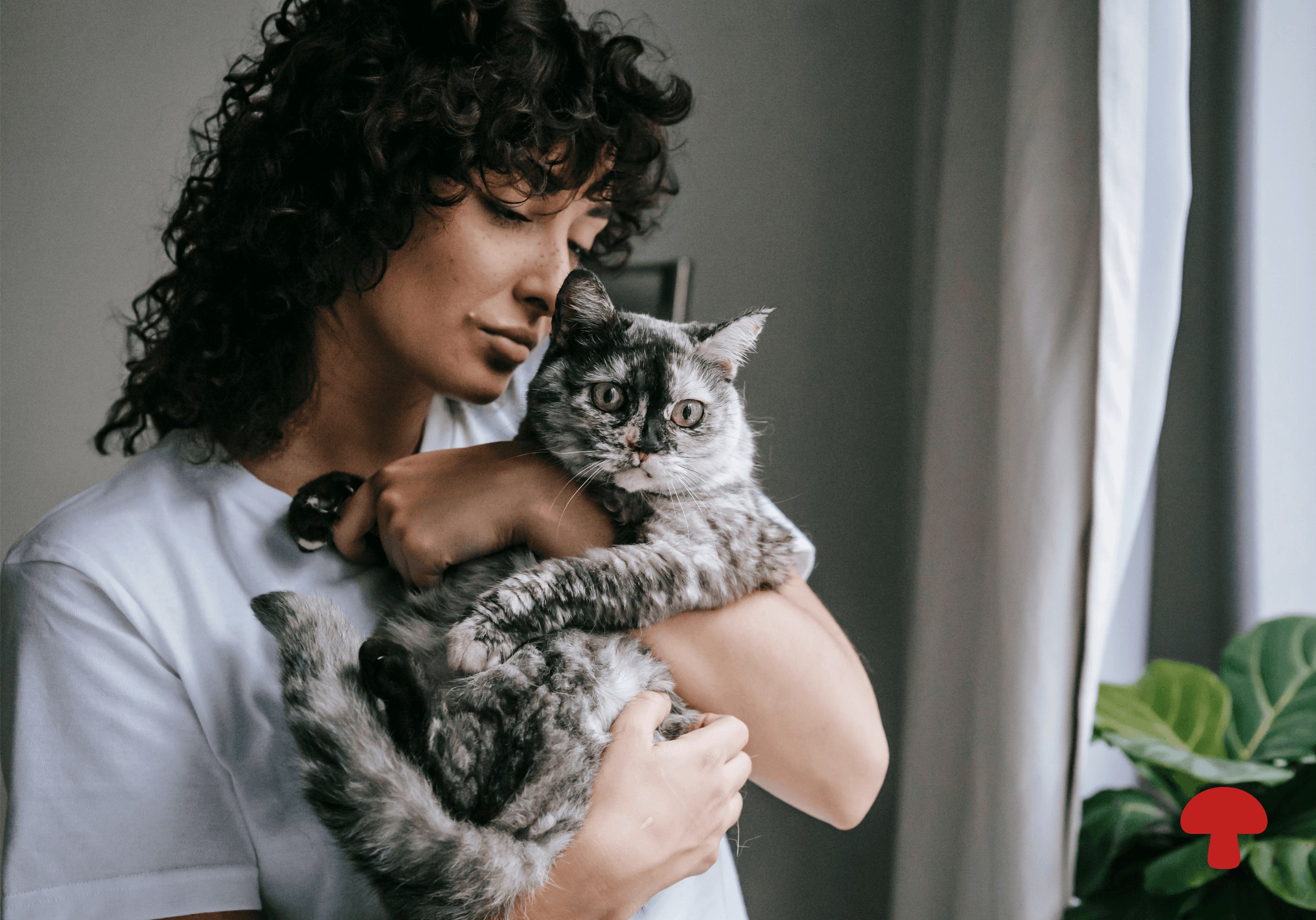
Cats are picky eaters who are hard-wired to mainly eat meat, and cat parents are paying closer attention to daily wellness. A recent industry survey found that 78% of pet owners are interested in products that may help extend their pet's lifespan. Functional mushrooms for pets have moved into that conversation. Most of the research and most of the products have focused on dogs, but some of the biggest trends in pet care right now focus on cats and they deserve their own guide.
Let us explore the functional mushrooms with the strongest research for cats, why one species has a real edge on taste, and what to look for in a quality mushroom product for cats.
Cats Are Not Small Dogs
Cats need a different wellness conversation for two reasons.
Taste and palatability is the first major differentiator. Cats actually possess a unique umami receptor that dogs and even humans do not. Research shows that unique cat receptors respond to nucleotides like 5'-IMP and 5'-GMP, with certain amino acids acting as enhancers. They do not respond to glutamate the way human and dog receptors do.
Aging in cats looks very different from how it appears in dogs. Chronic kidney disease affects 30% to 40% of cats over 10 years old and 81% of cats over 15. Senior cats also show measurable shifts in immune function, including an immune system with fewer helper cells compared to killer cells and higher inflammatory activity. These trends give immune-supporting ingredients like beta-glucans a real role in feline wellness.
Why Shiitake Wins on Taste for Cats
Cats cannot taste sweet. What they can detect very well are the compounds that signal protein-rich food. Nucleotides are one of the strongest signals.
Shiitake (Lentinula edodes) is the mushroom in which 5'-GMP was first identified as an umami compound. Dried shiitake has especially high levels of 5'-GMP, which makes Shiitake one of the few plant-derived ingredients that speaks directly to the cat umami receptor.
For cat parents, this may explain why some cats accept Shiitake-containing supplements more readily than other botanical additions to food.
Six Functional Mushrooms Best Suited to Cats
Feline-specific clinical trials are still catching up to the research on dogs and humans. The list below reflects mushrooms with the strongest defensible evidence for cats, drawn from mechanism studies, in-vitro feline immune cell work, and translational data from related species.
Shiitake (Lentinula edodes) — Palatability plus oral and immune support. Bioactive fractions in shiitake have been studied for immune modulation and antimicrobial activity in the mouth. Shiitake offers the rare combination of a compound cats want to eat and a compound that may support their health.
Turkey Tail (Trametes versicolor) — Turkey Tail is the most-studied medicinal mushroom in veterinary oncology. Its bioactives, PSK and PSP, showed promising immune-supportive activity in trials studying dogs with cancer. Feline-specific clinical trials are still developing, but in-vitro work with feline immune cells shows promising activity as well. It is not uncommon to find Turkey Tail in a senior cat support product.
Reishi (Ganoderma lucidum) — Reishi contains immune-balancing polysaccharides and calming triterpenes. It has a long history as an adaptogen and is one of the most requested mushrooms in the pet space.
Maitake (Grifola frondosa) — Maitake is studied for blood sugar and inflammation support. It is currently approved by AAFCO for inclusion on the Common Food Index, alongside King Oyster, Oyster, and Shiitake.
Cordyceps (Cordyceps militaris) — Cordyceps offers antioxidant support and has traditional use for energy and liver health. Mechanism research is promising, but feline-specific clinical evidence is still limited.
Lion's Mane (Hericium erinaceus) — Lion's Mane is best known for nerve and cognitive support. Feline cognitive dysfunction is a real and under-discussed condition in senior cats. Human research is stronger than feline research here, so this one is worth watching.
Are Functional Mushrooms Safe for Cats?
Cultivated functional mushroom powders in a controlled SQF-certified environment are safe for cats. Cats do metabolize many compounds more slowly than dogs, so a small, repeatable amount blended into food is the sensible starting point. Talk to a veterinarian before adding any supplement, especially for a cat with a health condition or on medication.
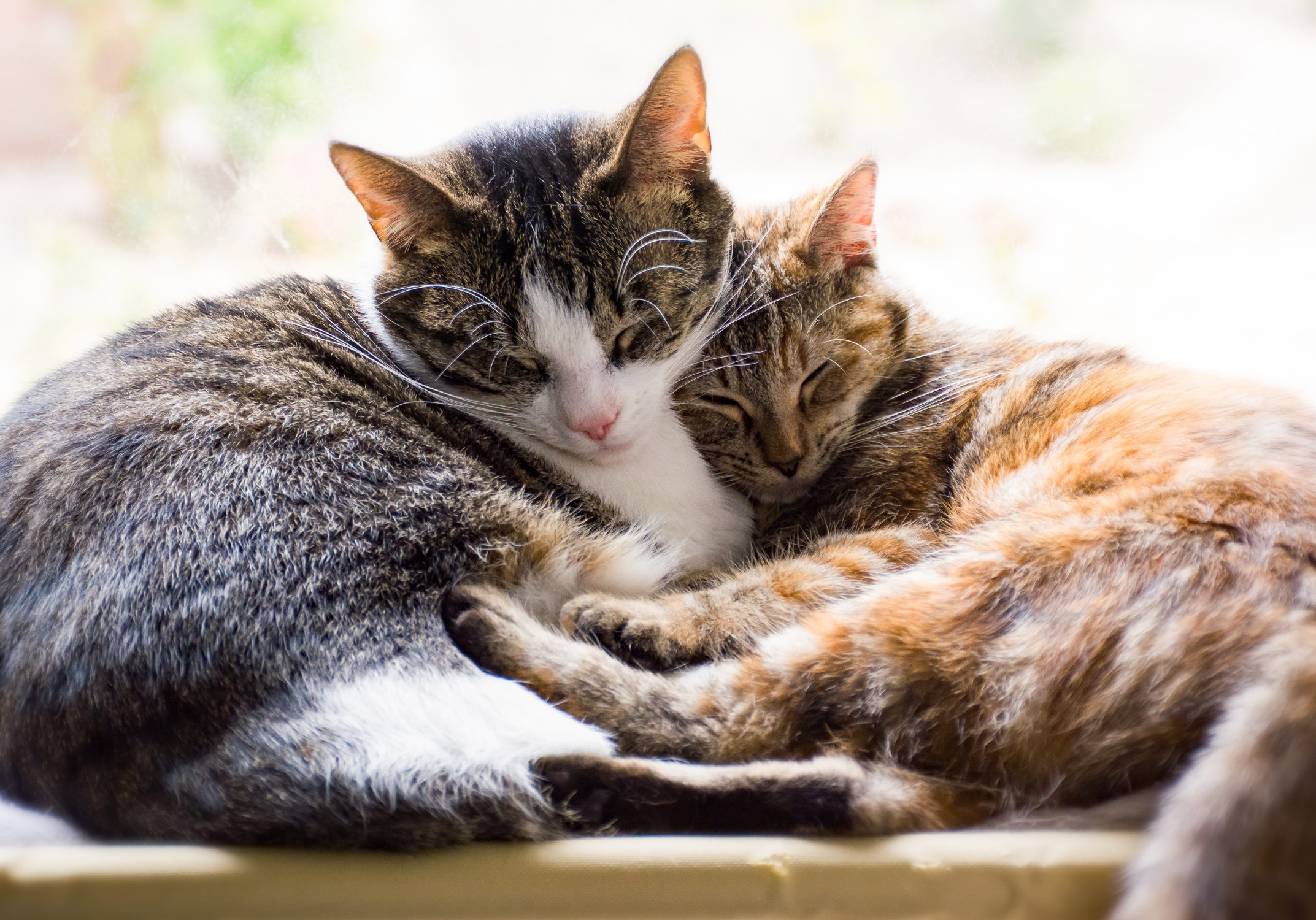
Quality signals to look for include organic certification, third-party testing for heavy metals and microbials, species verification, and standardized beta-glucan content.
🧪 Formulator's Corner: Building for the Feline Market
The feline supplement market lags behind canine in product innovation, and palatability is a big reason why. Shiitake offers a formulation advantage that is hard to replicate. 5'-GMP activates the cat umami receptor directly.
Full-spectrum mushroom powders preserve the nucleotide content of the fruiting body alongside the mycelial polysaccharides that drive immune activity. Isolated beta-glucan extracts remove the sensory compounds that make cats want to eat the finished product.
For teams building cat-specific SKUs, key considerations are species verification, standardized beta-glucan content, heavy metals testing, and organic certification for cat parents shopping the clean label aisle. Myzel supplies full-spectrum, SQF-certified, Canadian Organic Regime and Ecocert certified mushroom powders in bulk.
Small Additions, Long-Term Support
Two things anchor the case for functional mushrooms in cats. Palatability makes daily wellness realistic in a picky species. Full-spectrum beta-glucans give the aging immune system something meaningful to work with. Every cat is different, and every wellness plan should involve a trusted veterinarian.
Frequently Asked Questions
What is the best functional mushroom for cats?
Shiitake stands out for taste because it activates the cat umami receptor. Turkey tail has the strongest immune research profile. Blends that include both, along with reishi, offer broader support.
Are functional mushrooms safe for cats?
Yes. Cultivated functional mushroom powders are safe for cats. Talk to a veterinarian before starting any supplement, especially for cats on medication.
Do cats like the taste of mushrooms?
Many cats respond well to mushrooms because they contain nucleotides like 5'-GMP that activate the cat umami receptor. Shiitake is particularly rich in these compounds.
Can functional mushrooms help senior cats?
Senior cats face age-related shifts in immune function and higher rates of chronic disease. Functional mushrooms are studied for immune balance and antioxidant support, which may complement a senior cat wellness plan.
Disclaimer: Any statements or claims about the possible health benefits conferred by any foods, natural health products, or supplements have not been evaluated by the Canadian Food Inspection Agency (CFIA), Health Canada, or the Food & Drug Administration (FDA) and are not intended to diagnose, treat, prevent, or cure any disease.
Related products
Formulating with functional mushrooms? Source full-spectrum, organic, bulk supply from Myzel.
Our Full-Spectrum Newsletter
Stay ahead of the competition with the latest mushroom science, education, and innovation at Myzel.