For years, mycelium was treated as the lesser part of the mushroom. Industry conversations often dismissed it as a non-nutritional, non-beneficial part of the fungal lifecycle, with claims that mycelium doesn't have much nutritional value or functional properties at all. That framing is changing fast. New science, updated cultivation methods, and a broader understanding of fungal biology are bringing mycelium back to the center of the functional mushroom conversation.
For formulators building the next generation of functional mushroom products, understanding what mycelium actually does, and what the latest research says, has become essential.
What Is Mycelium?
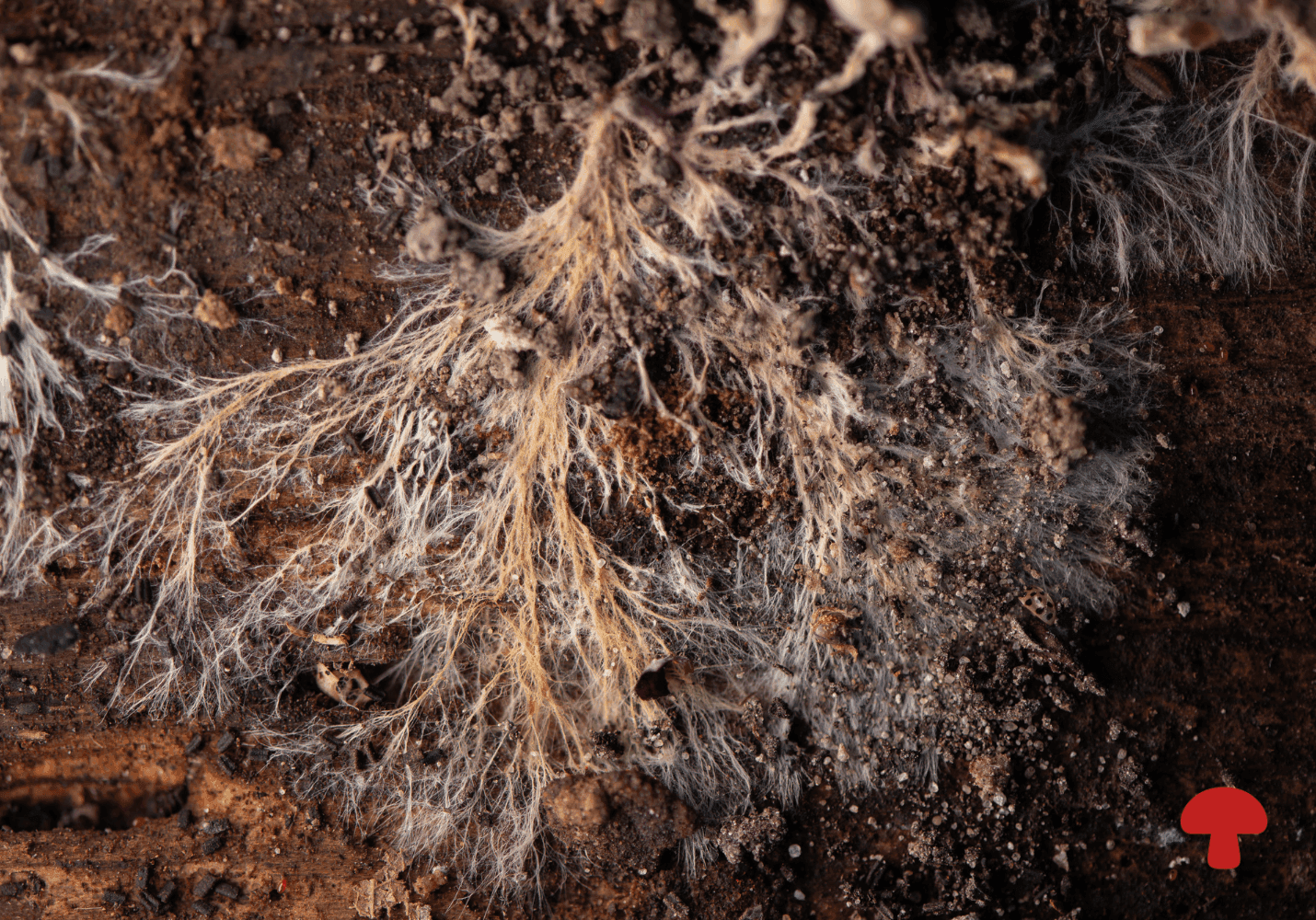
Mycelium is the vegetative body of a fungus. It is made up of thread-like cells called hyphae, which branch out to form a dense, interconnected network. This network is the living, metabolically active organism. The mushroom cap most people picture is the fruiting body, a temporary reproductive structure that releases spores. The mycelium is the part that grows, adapts, digests, and produces bioactive compounds throughout the fungus's life cycle.
Fungi belong to their own biological kingdom. They are not plants and do not have roots. What looks like roots underground is the mushroom itself.
The Wood Wide Web: Mycelium in Nature
Mycorrhizal fungi colonize the roots of over 80% of land plants, forming what researchers call the "Wood Wide Web." Through these networks, fungi exchange nutrients with plants, transfer carbon between trees, and even relay chemical signals about pest attacks or environmental stress.
This is the same biology that produces the compounds prized in functional mushroom products. As mycelium grows, it secretes enzymes to break down organic matter, recycles minerals, and synthesizes a wide range of metabolites. The fruiting body inherits some of those compounds, but many remain concentrated in the mycelial tissue itself.
Where the "Fruiting Body Only" Trend Came From
The fruiting-body-only movement gained traction for legitimate reasons. In the early 2010s, influential analyses were published showing that some "mycelium on grain" supplements tested high in starch and low in beta-glucans, because they contained large amounts of unconsumed grain substrate. That was a real quality issue. The fruiting-body-only standard helped raise transparency and consumer trust across the entire industry, and that work deserves recognition.
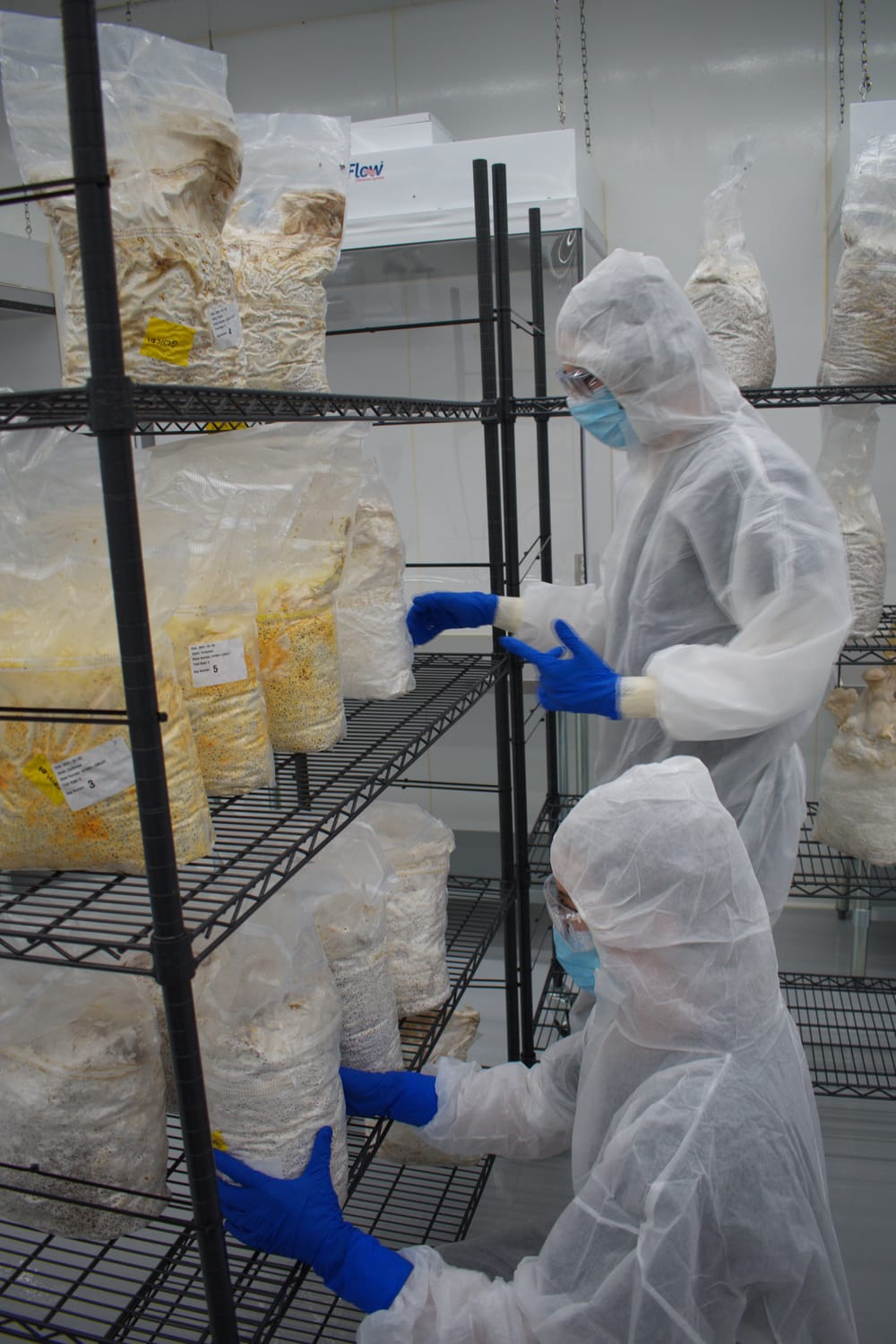
But science has continued to evolve since then. Modern solid-state fermentation and bioconversion methods produce material in which the substrate is largely consumed by harvest, and the mycelium itself becomes the dominant biomass. Combined with newer analytical testing for beta-glucans and polysaccharides, this has changed what is possible to produce and verify. The point is simply that the science now supports including mycelium when it is cultivated and tested properly.
What the New Science Says About Mycelium Bioactives
Recent research shows that mycelium contributes a distinct set of bioactive compounds that fruiting bodies alone do not provide:
-
Turkey Tail mycelium produces protein-bound polysaccharide complexes, including PSK and PSP, both clinically studied as immune-support agents. Turkey Tail mycelium produces protein-bound polysaccharide complexes, including PSK and PSP, both clinically studied as immune-support agents.
-
Mycelium is rich in primary metabolites such as proteins, ergosterol, indole alkaloids, enzymes, and amino acid precursors that often drive upstream bioactivity. Mycelium is rich in primary metabolites such as proteins, ergosterol, indole alkaloids, enzymes, and amino acid precursors that often drive upstream bioactivity.
-
A 2024 study confirmed immune supportive beta-glucan content in Oyster mushroom mycelium, with measurable activity on the human phagocytosis system. A 2024 study confirmed immune supportive beta-glucan content in Oyster mushroom mycelium, with measurable activity on the human phagocytosis system.
-
Cultivated mycelium can be grown under sterile, food-grade conditions, reducing risks from heavy metals, environmental toxins, and pathogens that can occur in wild-harvested fruiting bodies. Cultivated mycelium can be grown under sterile, food-grade conditions, reducing risks from heavy metals, environmental toxins, and pathogens that can occur in wild-harvested fruiting bodies.
Fruiting bodies still concentrate species-specific secondary metabolites such as hericenones, triterpenes, and certain polysaccharides. Mycelium complements these with a different bioactive profile. Together, they reflect how mushrooms exist in nature: as a complete, biologically active organism.
Mycelium Beyond Supplements
The same properties that make mycelium valuable in functional formulations are driving innovation across other industries:
-
Alternative protein: Mycoprotein products use mycelium to produce complete, animal-free proteins with high fiber and a much lower carbon and water footprint than conventional meat. Alternative protein: Mycoprotein products use mycelium to produce complete, animal-free proteins with high fiber and a much lower carbon and water footprint than conventional meat.
-
Leather alternatives: Innovative companies are producing mycelium-based leather with potential as a viable substitute for both animal and synthetic materials. Leather alternatives: Innovative companies are producing mycelium-based leather with potential as a viable substitute for both animal and synthetic materials.
-
Building materials and packaging: Mycelium composites are replacing polystyrene foam, with applications expanding into insulation, acoustic tiles, and bricks. Building materials and packaging: Mycelium composites are replacing polystyrene foam, with applications expanding into insulation, acoustic tiles, and bricks.
The global mycelium market is projected to reach USD $5.68 billion by 2035, growing at 6.2% annually. That growth reflects how much functional value sits inside this organism.
For formulators developing functional mushroom products in 2026, including mycelium has shifted from a debated choice to a science-backed best practice. Recent research confirms that mycelium delivers bioactives, including PSK and PSP polysaccharide complexes, ergosterol, and enzymatic precursors, that fruiting bodies alone do not provide. Pairing mycelium with the fruiting body delivers a more biologically complete bioactive profile. The key is sourcing: look for full-spectrum ingredients with verified beta-glucan and polysaccharide standardization, third-party testing, and transparent cultivation methods.
Mycelium Is the Mushroom
The conversation has moved on from "mycelium is filler." New science, better cultivation, and clearer testing standards have changed what is possible. Mycelium is the living, functional body of the fungus, and it carries a meaningful part of the bioactive value that makes functional mushrooms work. Different brands will continue to take different paths to quality, and that diversity strengthens the industry. At Myzel Organics, the commitment is to the full mushroom matrix, because that is how nature designed it.
Learn how functional mushrooms for dogs, including Reishi and Shiitake, support oral health, healthy gums, and the immune systems behind a healthier mouth.
Mycelium is far from inactive. It is the living body of the mushroom, rich in bioactives. Here's why full-spectrum functional mushroom formulations matter.
Reishi and King Oyster mushrooms for dogs with seasonal allergies. See how these functional mushrooms support immune balance and histamine response.
SQF certification is one of the most rigorous food safety standards in the world. Here is what it means for the mushroom powder going into your supplement, pet food, or wellness product, and how it compares to HACCP and GMP.
Pet parents are bringing the wellness habits they use on themselves, like functional mushrooms, acupuncture, and mental health support, into their pets' lives. Here is why the humanization of pet nutrition is reshaping the industry.
Related products
Formulating with functional mushrooms? Source full-spectrum, organic, bulk supply from Myzel.
Our Full-Spectrum Newsletter
Stay ahead of the competition with the latest mushroom science, education, and innovation at Myzel.